Fix Lower Back Tension by Releasing Hidden Muscles
 Giulia Eleonora
—
Giulia Eleonora
—
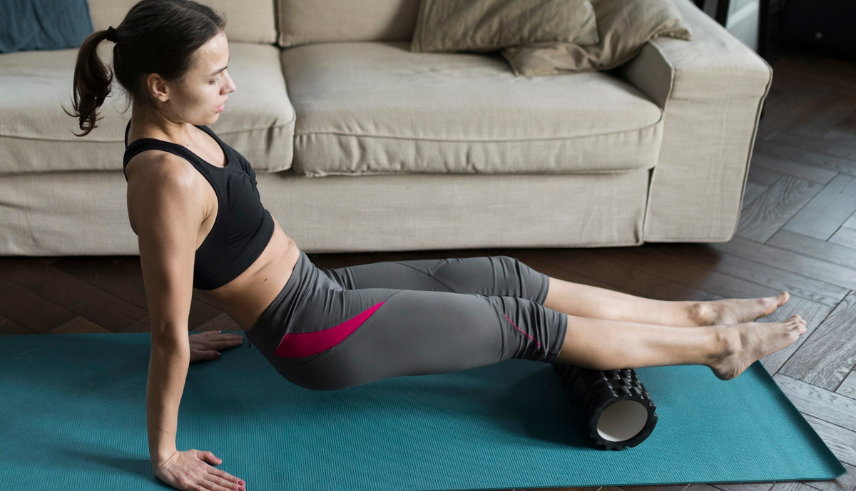
Lower back tension rarely appears without a cause. You may feel stiffness after long hours sitting, sudden tightness after exercise, or a deep ache that seems to come from nowhere. Most people assume the spine is responsible. In reality, muscle tension around the hips and lower back usually drives that discomfort.
Several deep muscles support your spine and control movement. When those muscles tighten, they pull unevenly on the lower back. That pull can lead to soreness, restricted movement, and pain that spreads across the hips or down the legs.
You might stretch, rest, or apply heat and still feel the same tension returning. That pattern happens because tight muscles often require direct release rather than surface-level treatment.
Targeting the correct muscles changes the entire experience of back care. When you release those muscles properly, you allow your body to move naturally again. Some tools even allow you to perform deep muscle release at home with precision. A system created by Back Muscle Solutions focuses on the muscles that commonly drive lower back discomfort and teaches you how to release them effectively.
Understanding where tension begins helps you treat the real source rather than chasing temporary relief.
Why Lower Back Pain Often Starts in the Muscles?
You probably associate back pain with spinal problems, yet muscles usually play a much larger role. Several muscles surround your lower back and hips, supporting posture and stabilizing the spine during movement.
When these muscles tighten, they create constant pulling forces on the lumbar spine. That tension can lead to stiffness, spasms, or a dull ache that refuses to disappear.
Five muscles frequently contribute to this type of discomfort:
- Quadratus Lumborum (QL)
- Psoas
- Iliacus
- Gluteus Medius
- Piriformis
These muscles work together to stabilize the pelvis and control hip movement. If one becomes tight, the others compensate. Over time, the imbalance causes strain across the entire lower back region.
You may notice certain warning signs:
- Uneven hip height
- Tightness on one side of the lower back
- Pain when bending sideways
- Stiffness after sitting for long periods
- A pulling sensation near the ribs or hip crest
Without addressing the muscular cause, the tension simply returns again and again.
The Hidden Role of the Quadratus Lumborum
Among all muscles affecting the lower back, the Quadratus Lumborum plays a particularly powerful role. This deep muscle connects the top of your pelvis to the lower ribs and attaches to the lumbar spine.
Every time you bend sideways, lift something, or stabilize your torso, this muscle activates.
If the QL becomes tight, several problems can appear:
- Uneven pelvic position
- Lower back spasms
- Pain during standing or walking
- Difficulty straightening after bending
Many people attempt stretching to loosen this muscle. Stretching may help temporarily, but deep muscle tension often requires direct pressure to release trigger points.
Trigger points behave like small knots inside the muscle fibers. Until those knots relax, the muscle continues pulling on surrounding structures.
That is why massage therapists frequently target this area during back treatments.
Sitting Too Much Makes the Problem Worse
Modern lifestyles add another complication. Long periods of sitting shorten the hip flexors and reduce muscle movement.
Two muscles affected the most are the Psoas and Iliacus. Both connect the spine to the legs and help lift the thighs when walking.
When these muscles remain shortened throughout the day, they begin pulling on the lumbar spine even while you stand or walk.
This constant tension may cause:
- Stiffness when standing after sitting
- Hip tightness during movement
- Lower back fatigue
- Reduced flexibility
You might stretch your hamstrings or perform light exercises, but deeper muscles often remain untouched.
Without targeted release, those muscles stay tight beneath the surface.
The Problem With Many Back Relief Methods
You may have tried common solutions such as:
- Foam rollers
- Massage balls
- Stretching routines
- Heat therapy
- Pain medication
Each method may offer temporary comfort. However, many tools struggle to reach deeper muscles like the QL or Psoas.
Foam rollers distribute pressure across large areas. Massage balls can roll away from the precise location you need. Even professional massage may not always target the exact muscle causing the problem.
Muscle release requires controlled pressure in a specific spot. When pressure stays focused on the trigger point long enough, the muscle fibers relax and lengthen.
This type of targeted release is often the missing step in many back care routines.
A Tool Designed for Deep Muscle Release
Targeting deep muscles becomes easier when a tool is designed specifically for that purpose.
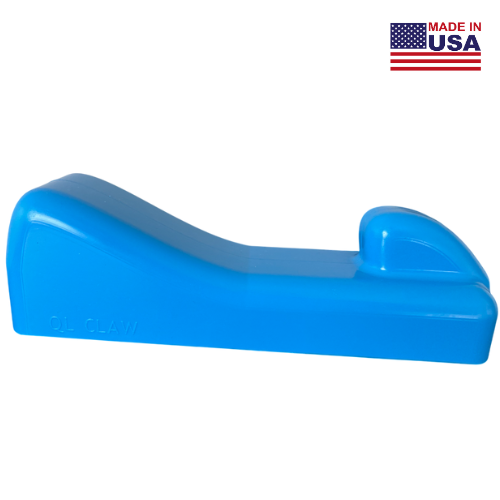
The QL Claw created by Back Muscle Solutions is a self-massage device built to release the muscles most commonly responsible for lower back pain. The tool allows you to apply controlled pressure directly to key areas without needing assistance.
Its design focuses on five muscles linked to lower back tension:
- Quadratus Lumborum
- Psoas
- Iliacus
- Gluteus Medius
- Piriformis
These muscles often create pain patterns that extend across the hips, lower spine, and glute region.
Unlike general massage tools, the QL Claw stays stable against the floor while you position your body over it. This stability allows you to maintain steady pressure on trigger points instead of chasing the right position.
The tool forms part of a broader muscle release system that emphasizes four steps:
- Massage
- Stretching
- Strengthening
- Habit correction
Massage acts as the first step because releasing tight muscles often produces the fastest reduction in tension.
Once those muscles relax, stretching and strengthening exercises become more effective.
Why Targeted Muscle Release Works?
When you press into a trigger point, several changes occur inside the muscle.
First, pressure interrupts the protective contraction response. Tight muscles frequently remain in a guarded state because the body perceives stress or strain.
Sustained pressure signals the nervous system that the muscle can relax.
Second, circulation improves. Tight muscle fibers restrict blood flow, which slows recovery and increases soreness. Releasing those fibers allows oxygen and nutrients to reach the tissue again.
Third, muscle length returns to normal. Once trigger points release, the muscle stops pulling excessively on surrounding structures.
For the lower back, that shift can reduce strain across the lumbar spine and pelvis.
Regular release work may also improve movement patterns. When the hips and lower back move freely, your body distributes load more evenly during daily activities.
Creating a Consistent Back Care Routine
Relieving lower back tension rarely happens from a single action. Consistency plays a major role in lasting improvement.
You can support your back health by building simple daily habits:
1. Release tight muscles
Target the deep muscles surrounding your lower back and hips. Tools that allow precise pressure help reach areas that stretching alone cannot access.
2. Add mobility work
Gentle hip and spinal mobility movements help maintain flexibility once the muscles loosen.
3. Strengthen supportive muscles
Core stability and glute strength reduce stress placed on the lumbar spine.
4. Adjust daily posture
Standing breaks, improved desk posture, and regular movement reduce muscle shortening caused by long periods of sitting.
When you combine these steps, your back gains the support it needs to move naturally again.
Several educational resources and tools from Back Muscle Solutions focus on helping individuals release these deep muscle groups and build healthier movement patterns.
Moving Toward Lasting Back Comfort
Lower back discomfort often traces back to tight muscles rather than structural damage. When those muscles remain tense, they pull continuously on the spine and hips, creating pain that appears stubborn and unpredictable.
Understanding the role of muscles such as the Quadratus Lumborum, Psoas, Iliacus, Gluteus Medius, and Piriformis changes how you approach relief. Instead of chasing temporary fixes, you begin targeting the true source of tension.
Direct muscle release allows those deep tissues to relax, restoring balance across the lower back and pelvis. Once the muscles loosen, movement improves and daily activities feel easier.
Using tools designed specifically for deep muscle release can help you apply controlled pressure to areas that are otherwise difficult to reach. The QL Claw system offered through Back Muscle Solutions provides one example of how targeted muscle work can support a consistent back care routine.
With the right approach, you allow your body to recover its natural alignment and flexibility. Over time, small habits and proper muscle release can make a significant difference in how your back feels each day.
Ease lower back tension by targeting deep muscles. Learn how the QL Claw from Back Muscle Solutions helps release stubborn muscle knots.